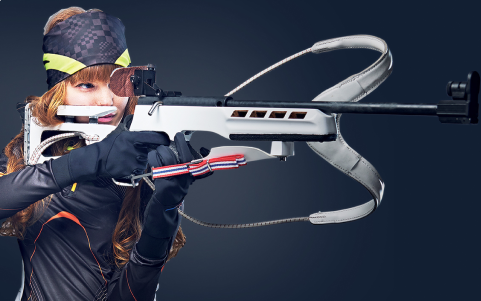
The coaching process in shooting—whether air rifle, pistol, or shotgun—is a focused and disciplined journey that develops technical accuracy, mental control, physical stability, and tactical understanding. Below is a step-by-step guide to the structured coaching methodology:
Objective: Understand the shooter’s baseline skills and training goals.
Evaluate shooting discipline (rifle, pistol, shotgun).
Assess natural stance, hand-eye coordination, trigger control, and aiming ability.
Conduct eye tests, stability checks, and mental focus exercises.
Define the athlete’s goals—hobby, competitive, or elite-level participation.
Objective: Create a tailored roadmap to achieve peak performance.
Set SMART goals (Specific, Measurable, Achievable, Relevant, Time-bound).
Develop a periodized training schedule covering technique, physical fitness, and competition prep.
Allocate time for mental training and equipment familiarization.
Objective: Build consistency and precision in shooting mechanics.
Stance & Posture: Correct body positioning for balance and endurance.
Grip & Hold: Proper grip technique to maintain steadiness.
Aiming: Focus on sight alignment, sight picture, and eye coordination.
Trigger Control: Smooth and consistent trigger squeeze without disturbing aim.
Follow-Through: Maintain position and focus after the shot is fired.
Use dry-firing drills, SCATT systems, and video analysis to refine technique.
Objective: Enhance concentration, patience, and emotional regulation.
Practice breathing techniques to calm the mind before shots.
Use visualization and mental rehearsal to prepare for matches.
Build routines to reduce performance anxiety and distractions.
Train under pressure scenarios to simulate competition stress.
Objective: Develop the endurance and stability required for high-level shooting.
Strength Training: Focus on core, shoulders, arms, and lower back.
Balance & Stability: Exercises using wobble boards and balance balls.
Endurance: Improve cardiovascular health for long events and better oxygen control.
Flexibility: Stretching to prevent stiffness and improve shooting posture.
Physical conditioning supports steadiness, injury prevention, and longevity in the sport.
Objective: Ensure familiarity, comfort, and optimal performance of gear.
Train athletes on the proper cleaning and care of firearms or air weapons.
Teach adjustments for sights, buttstock, trigger sensitivity, etc.
Conduct equipment checks before training and competition.
Encourage responsibility and discipline in handling and storage.
Objective: Translate skills into performance through regular practice.
Use scoring targets and groupings to track progress.
Introduce time-bound drills to build speed and composure.
Rotate between live-firing, dry-firing, and mental visualization sessions.
Incorporate competitive mock drills and scenario-based exercises.
Objective: Train athletes to perform confidently in high-pressure events.
Develop pre-competition routines: warm-up, gear checks, mental prep.
Analyze venue layout, lighting, and environmental conditions.
Set match strategies: shot rhythm, recovery timing, and score pacing.
Review match rules, scoring systems, and etiquette.
Objective: Identify areas for improvement and celebrate progress.
Analyze shot groupings, scores, and behavior under pressure.
Review training logs, video feedback, and performance metrics.
Conduct monthly or post-match feedback sessions with personalized action points.
Adjust training plans based on progress and upcoming goals.
Objective: Build consistent improvement and love for the sport.
Introduce new challenges to keep training engaging.
Encourage participation in workshops, camps, and national trials.
Celebrate milestones and achievements.
Emphasize discipline, patience, and the mindset of a true marksman.