
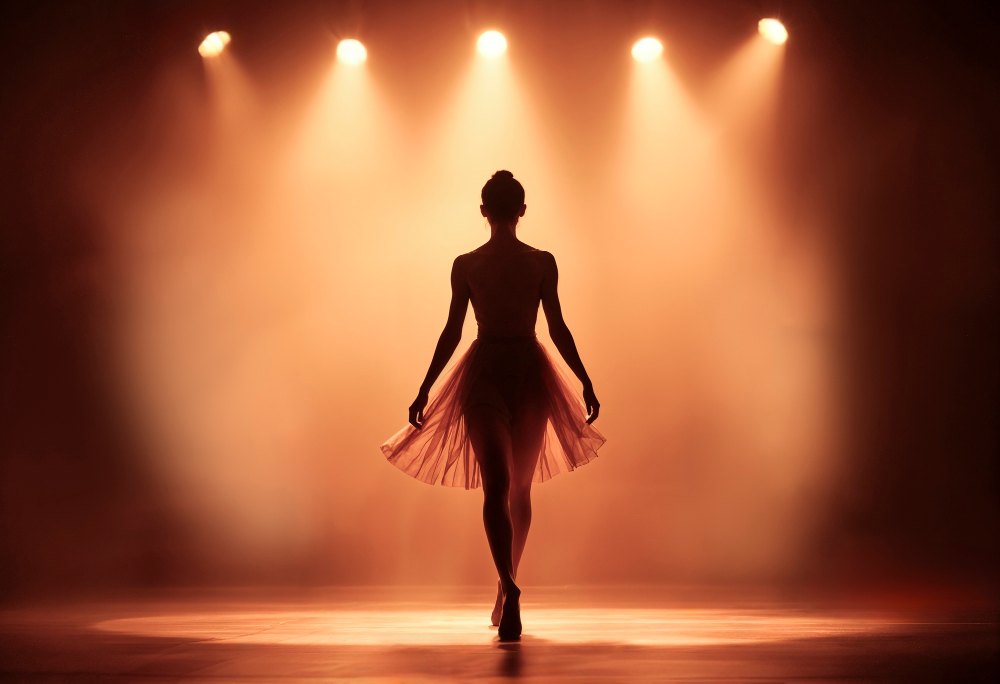
The coaching process for performing arts—encompassing music, dance, drama, and stage expression—focuses on nurturing creativity, enhancing technical skill, and building confidence for stage performance. It combines discipline, expression, and communication to help learners become well-rounded performers.
Understanding the different branches: theatre, music, dance, and interdisciplinary performances
Importance of body language, voice modulation, rhythm, and emotional expression
Orientation on stagecraft, performance etiquette, and audience engagement
Drama: Voice projection, dialogue delivery, improvisation, and character development
Dance: Posture, balance, rhythm, and basic movement vocabulary
Music: Vocal training, pitch control, basic instruments, and musical notations
Breathing exercises, warm-ups, and body awareness techniques
Script reading and scene analysis for theatre
Notation, ragas, taals, and rhythms for music
Choreography patterns, coordination, and cultural styles in dance
Introduction to performance theory, storytelling, and creative expression
Encouraging original compositions, choreography, and scriptwriting
Understanding emotions, timing, and dynamics in a performance
Developing improvisational skills and stage confidence
Group rehearsals and ensemble work
Building coordination, timing, and interaction with co-performers
Teamwork, discipline, and respect for diverse art forms
Rehearsals with costumes, props, music, and lighting
Stage presence, movement, and spatial awareness
Simulated and live audience performances for real-time experience
Constructive critique sessions to refine expression and technique
Personal mentoring and goal-based assessments
Developing a growth mindset and stage resilience
Participation in stage shows, competitions, and cultural programs
Building a performance portfolio or demo reel
Exposure to professional performances and guest artist workshops