
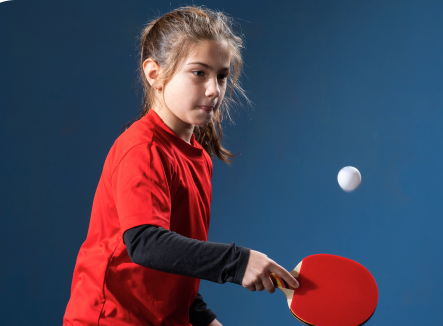
Table tennis coaching is a systematic process aimed at developing a player’s technical precision, tactical understanding, physical fitness, and mental resilience. Here’s a step-by-step breakdown of how effective coaching is delivered:
Objective: Evaluate current skill levels and define development objectives.
Assess basic skills: grip, stance, footwork, and stroke technique.
Analyze strengths, weaknesses, and playing style (e.g., attacker, defender).
Set SMART goals (Specific, Measurable, Achievable, Relevant, Time-bound).
Understand player goals—recreational development or competitive success.
Objective: Build a structured and personalized training roadmap.
Develop a periodized training plan: weekly, monthly, and seasonal cycles.
Include elements like technical drills, match play, fitness training, and rest.
Tailor plans to age group, skill level (beginner to elite), and tournament schedules.
Objective: Build a strong foundation of essential techniques.
Grip & Stance: Correct shakehand or penhold grip and ready position.
Stroke Training: Forehand/backhand drive, push, topspin, block, and smash.
Serve & Receive Practice: Variety, placement, spin, and deception.
Footwork Drills: Side-to-side, in-and-out, and crossover movement patterns.
Use multi-ball feeding, shadow play, and robot-assisted training for efficiency.
Objective: Enhance game awareness and strategic play.
Teach shot placement, variation, and reading opponent tactics.
Develop point construction: setting up and finishing rallies.
Focus on rally tempo, serve strategies, and third-ball attack.
Simulate match scenarios and analyze patterns through match replays.
Objective: Improve agility, speed, endurance, and coordination.
Agility & Speed: Ladder drills, cone work, and reaction exercises.
Strength Training: Core stability, wrist strength, and leg power.
Endurance: Skipping, cycling, and short-interval conditioning.
Flexibility: Daily stretching routines to enhance mobility and prevent injury.
All physical work should be table tennis-specific and age-appropriate.
Objective: Build focus, resilience, and confidence.
Teach concentration drills and visualization techniques.
Work on managing nerves during high-pressure points and matches.
Encourage positive self-talk, routine building, and breathing techniques.
Review psychological traits post-match and during training reviews.
Objective: Prepare players to compete with a winning mindset.
Regular in-house matches and friendly competitions to simulate real pressure.
Plan peak performance timing around tournaments.
Review opponents’ playing styles and match strategies.
Focus on recovery, sleep, and nutrition leading up to tournaments.
Objective: Track progress and fine-tune development.
Use video analysis for stroke correction and tactical review.
Keep performance logs and statistics on match outcomes and shot success rates.
Conduct monthly reviews with players (and parents for juniors).
Adjust training intensity and goals based on evaluation data.
Objective: Stay ahead with evolving techniques and strategies.
Attend coaching seminars, certification courses, and observe top-level matches.
Integrate new tools—smart sensors, video replay systems, and AI analytics.
Encourage feedback from players to refine coaching methods.