
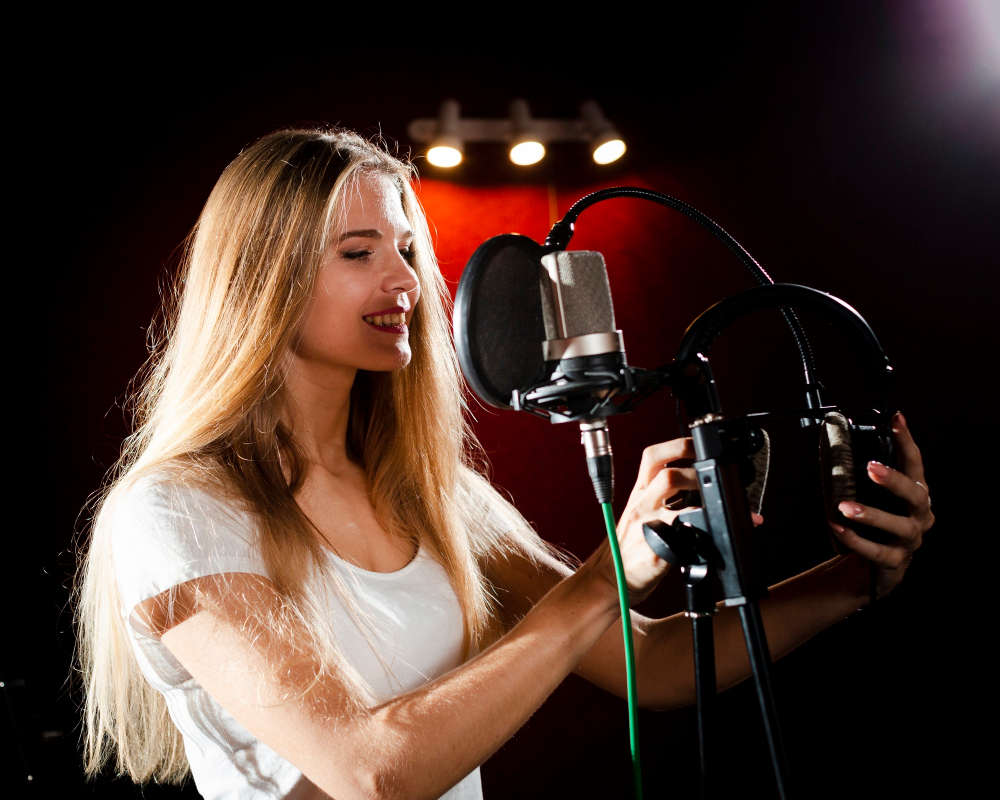
The vocal coaching process is a journey of developing the voice as an instrument—building technique, musical understanding, and emotional expression. It focuses on breath control, pitch accuracy, vocal range, and stage confidence across various genres of music.
Understanding the human voice as a musical instrument
Importance of posture, breathing, and vocal health
Familiarization with different vocal styles: classical, semi-classical, contemporary, devotional, and more
Diaphragmatic breathing techniques for voice control
Vocal warm-ups: humming, lip rolls, sirens, and scale practice
Exercises to develop clarity, projection, and range
Recognizing and singing notes with precision
Learning scales (Sa Re Ga Ma / Do Re Mi), intervals, and rhythms
Developing a musical ear through listening and matching pitch
Training for dynamics: soft/loud singing, sustain, and vibrato
Emoting through voice: conveying mood and meaning
Diction and pronunciation for different languages and styles
Learning and practicing songs across genres
Understanding lyrics, composition, and phrasing
Encouraging self-expression through selected or original songs
Microphone handling and stage presence
Confidence building through mock performances and recitals
Managing performance anxiety and audience interaction
Regular assessment of pitch, timing, tone, and delivery
Personalized feedback for continuous progress
Recording sessions to evaluate and refine vocal quality
Harmony singing, improvisation, and vocal layering
Preparing for auditions, competitions, and certification exams (like ABRSM, Trinity, or local boards)
Building a performance portfolio and exploring professional opportunities